
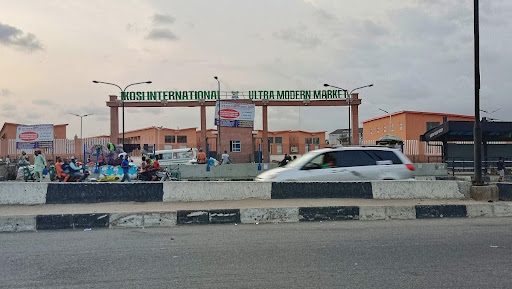
Lagos is a city of many faces—fast-paced yet slow in some corners, modern yet richly traditional in others. Tucked into the heart of mainland Lagos is a place that many people pass through daily, but not everyone truly knows: Ikosi-Ketu, Lagos.
At first glance, Ikosi-Ketu might seem like just another busy part of the mainland. But take a deeper look and you’ll discover a community shaped by history, trade, culture, and the never-ending Lagos hustle. Whether you’re considering moving there, investing in property, or just curious about what makes it tick, this article walks you through everything you need to know about Ikosi-Ketu, Lagos—from its roots to its present-day vibe.
Where is Ikosi-Ketu, Lagos?
Ikosi-Ketu is located in Kosofe Local Government Area of Lagos State, just off the ever-busy Ikorodu Road. It shares borders with Mile 12, Ojota, and Maryland—strategic locations that make it a hot spot for both commercial and residential activity. The area enjoys relatively easy access to both the island and other parts of the mainland, thanks to a network of roads and public transport options that pass through it daily.
Its location alone already makes it appealing. Whether you’re trying to avoid long commutes to work or simply want to live close to the action without the high cost of Lekki or Victoria Island, Ikosi-Ketu offers that middle ground.
A Glimpse Into the History of Ikosi-Ketu
The name “Ikosi-Ketu” carries historical weight. Originally a traditional settlement of the Awori people, the area has grown from a small village into a densely populated and economically vibrant part of Lagos. You’ll still find traces of its traditional roots—palaces, old family houses, and festivals that have refused to vanish in the wave of modernization.
Interestingly, the “Ketu” part of the name is often used interchangeably with Ikosi, even though they have their own identities within the same locality. Over time, development blurred the lines between both communities, forming what is now known jointly as Ikosi-Ketu, Lagos.
What It’s Like to Live in Ikosi-Ketu
Living in Ikosi-Ketu is not quiet—but it is convenient. The area pulses with life from dawn till night. Markets open early, buses queue up, traders call out to customers, and you’ll hear everything from Yoruba to Pidgin to Hausa being spoken on the streets.
While the area is certainly not as quiet or ‘posh’ as some gated estates on the Island, it offers a grounded, authentic Lagos experience. People here live close to where they work. Neighbours know each other. Landlords are within reach. The cost of living is relatively affordable, with a wide range of rental options for both middle-income earners and those just starting out.
Electricity supply can be erratic, as with many parts of Lagos, but many streets have transformers, and residents often contribute to repairs and maintenance. Water supply varies—some houses have boreholes, others rely on water vendors. You’ll find schools, hospitals, markets, and worship centres within walking distance.
Commercial Life and Business Activity
One of the most notable things about Ikosi-Ketu, Lagos, is how economically active it is. The popular Ketu market is a major attraction—serving not just residents but buyers from other parts of Lagos. Fresh foodstuffs, second-hand clothing (okirika), electronics, household items—you name it, Ketu market likely has it.
There are also banks, business centres, shopping complexes, and small-scale industries. The economy here thrives on both formal and informal business. If you’re an entrepreneur or someone looking to rent a space for retail or services, you’ll find several opportunities to set up shop and tap into the local customer base.
Real Estate Outlook
From a real estate perspective, Ikosi-Ketu presents a practical investment case. While it might not have the glitz of Lekki Phase 1, it makes up for that in high demand and turnover. The population density, combined with its central location, makes rental property a consistently profitable venture. Many landlords here rarely have vacant apartments for long.
Residential properties range from single-room self-contain units to 2-bedroom and 3-bedroom flats. There are also old bungalows and newer blocks of flats springing up, especially as older structures are gradually being demolished and replaced. For commercial real estate, shops and warehouses close to the main road or market command high prices due to foot traffic.
Land is still available but getting scarcer by the year. Pricing varies depending on the street and proximity to the main road or expressway. Documentation is also something to pay close attention to. You’ll often find a mix of family-owned land and government-allotted land, so verifying land titles and ensuring due diligence is crucial.
Transportation and Accessibility
One thing you cannot miss in Ikosi-Ketu is the transportation activity. It is a major node in Lagos’ public transport system. Danfo buses, BRT buses, keke napep, okadas—they all converge here. From Ketu, you can connect easily to Mile 12, Ojota, Ikeja, and even CMS on the island using the BRT.
The roads within Ikosi-Ketu are a mix. Some streets are well-paved, while others have potholes that test your patience during the rainy season. Traffic, especially around the Ketu bus stop and market area, can be intense. If you’re not a fan of crowded spaces, rush hour here might not be your cup of tea. But for the everyday Lagosian, it’s just another normal day in the city.
Challenges in the Area
No place is perfect, and Ikosi-Ketu, Lagos is no exception. One of the biggest issues here is congestion. The area wasn’t originally planned to handle this level of population and commercial activity. This results in overcrowded markets, high traffic, and sometimes poor sanitation in certain pockets.
Another challenge is urban planning. While development continues, it’s not always coordinated. Buildings spring up quickly, sometimes without enough consideration for parking space or drainage. During the rainy season, some inner streets are prone to flooding, especially where gutters are blocked or poorly maintained.
Despite these challenges, the resilience of the residents and community structures helps the area to keep functioning. Local CDAs (Community Development Associations) and traditional leaders often step in to handle issues that the government has yet to fully address.
What’s the Future of Ikosi-Ketu?
Development in Ikosi-Ketu is not slowing down. With Lagos State government’s continued infrastructure projects and the expansion of the BRT corridors, more value is likely to be unlocked in this area. The ongoing rejuvenation of inner roads and the growing population of young families and professionals mean that real estate will continue to attract interest.
If you’re looking at Ikosi-Ketu as a long-term investment zone, the signs are encouraging—but it requires patience, street-smart knowledge, and the ability to navigate informal systems. It is a place for people who are ready to engage, adapt, and grow with the area.
Final Thoughts
Ikosi-Ketu, Lagos, may not always be in the spotlight like Lekki or Ikeja GRA, but it plays a vital role in the Lagos story. It’s a place where commerce meets culture, where the old blends with the new, and where everyday life is lived with energy and purpose.
For the right person—whether a first-time home seeker, a business-minded entrepreneur, or a savvy real estate investor—Ikosi-Ketu offers more than just land or buildings. It offers access, opportunity, and a community that’s deeply rooted in Lagos’ beating heart.
