
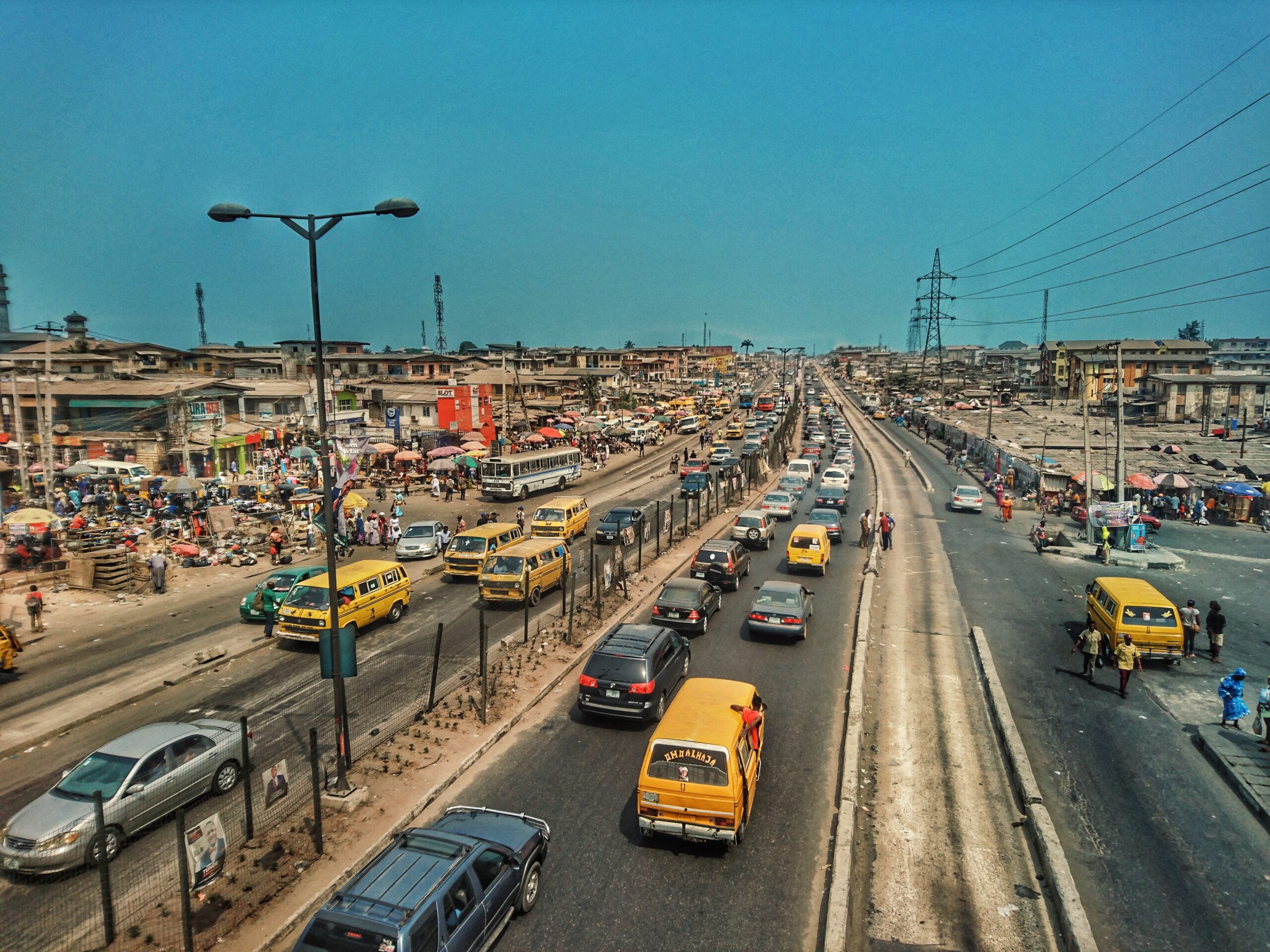
1. Origin of Mile 12, Lagos State
Mile 12, a bustling area in Lagos State, Nigeria, derives its name from its distance of approximately 12 miles from the city center of Lagos, particularly from the Lagos Island axis. This distance, historically measured along the Ikorodu Road, reflects the colonial influence on the nomenclature and development of the area. The name “Mile 12” came into prominence during the early development of Lagos’s transportation network when the road leading to Ikorodu was constructed to connect Lagos Island with suburban and rural areas. Over the decades, Mile 12 has grown from a relatively small settlement into a vibrant, multifaceted urban area, renowned for its markets, businesses, and residential neighborhoods.
2. Location of Mile 12, Lagos State
Mile 12 is strategically located in Kosofe Local Government Area of Lagos State, along the Ikorodu Road corridor. This positioning makes it one of the key transit hubs between Lagos Mainland and the Ikorodu suburbs. The area is bordered by Ketu to the west and Owode-Onirin to the east, while the Lagos Lagoon lies to its south. The strategic location of Mile 12 on the Lagos-Ikorodu road not only facilitates easy access to various parts of Lagos State but also makes it a crucial link for trade and commerce between Lagos and the neighboring Ogun State.
3. Population Size of Mile 12, Lagos State
Mile 12 is densely populated, reflecting the broader demographic trends in Lagos State, which is known as one of the fastest-growing urban centers in the world. The population in Mile 12 is highly diverse, comprising people from various ethnic backgrounds, including Yoruba, Igbo, Hausa, and other Nigerian ethnic groups. As of the latest estimates, Mile 12 is home to hundreds of thousands of residents, though exact figures are challenging to determine due to rapid population growth and the influx of people from other parts of the country. This high population density contributes to the area’s vibrancy but also presents challenges such as congestion and infrastructural strain.
4. Business in Mile 12, Lagos State
Business activities in Mile 12 are highly dynamic, with a significant emphasis on trade, retail, and services. The area is known as a commercial hub, particularly for wholesale and retail markets, which attract traders from across Lagos and beyond. The Mile 12 Market, in particular, is a central hub for agricultural produce, where food items such as tomatoes, peppers, onions, and other perishables are sold in large quantities. In addition to the market activities, there is also a burgeoning number of small and medium-sized enterprises (SMEs) involved in various sectors, including transportation, logistics, hospitality, and real estate. The presence of these businesses has fostered a robust economic environment, providing jobs and services to the local population.
5. Markets in Mile 12, Lagos State
Mile 12 is perhaps best known for its market, the Mile 12 International Market, which is one of the largest and most significant markets in Lagos State. This market serves as a key distribution point for foodstuffs in Lagos, especially perishable goods. Traders from all over the country converge here to buy and sell a wide range of agricultural products, which are then distributed to other markets within Lagos and neighboring states. The market operates daily, but it is particularly busy on Mondays, Wednesdays, and Fridays, when fresh produce is delivered in bulk. In addition to the Mile 12 Market, there are smaller satellite markets and street vendors scattered throughout the area, catering to the daily needs of residents and visitors alike.
6. Schools in Mile 12, Lagos State
Education is a vital aspect of life in Mile 12, with a variety of schools available to meet the needs of the local population. These schools range from public to private institutions, offering both primary and secondary education. Public schools such as Mile 12 Primary School and Ajelogo Primary School serve the local community, providing affordable education to children. There are also several private schools, including Excel College and Glorious Heights Schools, which offer a more comprehensive curriculum and better facilities. In addition to basic education, there are vocational training centers and adult education programs aimed at improving literacy and vocational skills among the adult population.
7. Hospitals in Mile 12, Lagos State
Healthcare services in Mile 12 are provided by a mix of public and private hospitals, clinics, and healthcare centers. Public healthcare facilities include the Mile 12 Primary Healthcare Centre, which offers basic medical services such as immunizations, maternal and child health services, and general outpatient care. Private hospitals and clinics, such as Shiloh Hospital and Ifeoluwa Hospital, offer more specialized care and cater to a wider range of medical needs. Additionally, there are numerous pharmacies and patent medicine stores in the area, providing residents with access to medications and over-the-counter drugs. However, the healthcare infrastructure faces challenges due to the high population density and the growing demand for medical services.
8. Restaurants in Mile 12, Lagos State
Mile 12 offers a wide array of dining options, reflecting the cultural diversity of its residents. The area is dotted with various restaurants and food vendors serving both local and international cuisine. Traditional Nigerian dishes, such as jollof rice, amala, eba, and pounded yam, can be found in local eateries and “bukas” (informal canteens). Restaurants like Tasty Delight and Mama Put’s Kitchen are popular among residents for their affordable and delicious meals. In addition to these, there are also fast food outlets and bakeries that cater to a more diverse clientele, offering snacks, pastries, and continental dishes. Street food is also a significant part of the culinary scene in Mile 12, with vendors selling suya (spicy grilled meat), roasted corn, and fried yam by the roadside.
9. Resort Places in Mile 12, Lagos State
While Mile 12 is not traditionally known as a tourist destination, it is located near several recreational and resort facilities within Lagos State. Due to the area’s urban nature, most residents and visitors seeking leisure activities often travel to nearby locations such as the Lagos Lagoon, Ikorodu, or even further to the beaches on Lagos Island. However, within Mile 12 itself, there are a few spots where residents can relax and unwind. These include local bars and lounges where people gather for social events, as well as community centers that host cultural activities and celebrations.
10. Hotels in Mile 12, Lagos State
Mile 12 has a variety of accommodation options ranging from budget hotels to more upscale lodgings. These hotels cater primarily to traders, business travelers, and visitors who are in the area for short stays. Hotels such as Comfort Villa Hotel and Galilee Hotel offer basic amenities and are strategically located near the market and major transport routes, making them convenient for travelers. These hotels provide essential services such as lodging, dining, and sometimes conference facilities. Additionally, there are guest houses and short-let apartments available for those seeking more privacy or extended stays.
11. Properties and Property Prices in Mile 12, Lagos State
The real estate market in Mile 12 is as dynamic as the area itself, driven by the demand for residential, commercial, and mixed-use properties. Given its strategic location and commercial significance, property prices in Mile 12 have seen a steady increase over the years. Residential properties in Mile 12 range from traditional bungalows to modern apartments and duplexes. The cost of renting a one-bedroom apartment ranges from ₦300,000 to ₦600,000 per annum, depending on the specific location and amenities. For those looking to buy, the price of a plot of land can range from ₦10 million to ₦25 million, with variations depending on proximity to major roads and the market. Commercial properties, particularly those near the Mile 12 Market, are highly sought after and can command premium prices due to the potential for high returns on investment.
A Market That Feeds Lagos (and Beyond)
The first thing most people associate with Mile 12 is the market. And rightly so. This market is no small corner shop; it’s one of the biggest food distribution points in Nigeria. Fruits and vegetables come from the North, Southwest, and even across West Africa, and they all find their way here.
Now, imagine what that means. Truckloads of goods arrive daily. Buyers come from every corner of Lagos — from Lekki to Badagry, from Surulere to Ajah. Some even travel from Ogun and Oyo. For many traders, this market is their main business ground.
But here’s what people often overlook — the ripple effect. Because the market is so big, it has created a whole support system. You’ll find cold-room operators, transporters, loaders, small restaurant owners, logistics agents, and even mobile money agents — all feeding off the market’s heartbeat.
And guess what? Where there’s this much foot traffic and trade, property becomes gold. Think about it — a shop close to the market entrance can bring in steady income. A small warehouse nearby? That’s potential rent from food distributors. The demand never really stops.
Life Around the Chaos: What It’s Like Living in Mile 12
When people hear “Mile 12,” some picture only the market noise. But the truth is, there’s a lot of real life going on around that noise. There are homes. Schools. Places of worship. People wake up, send their kids to school, go to work, come back, cook, and sleep — just like everywhere else.
Some parts of Mile 12 are very developed. Streets are tarred, and houses are properly built. Of course, like many places in Lagos, there are also areas that need help — poor drainage, crowding, and inconsistent waste disposal. But overall, this is a community that has grown over the years, and it’s still growing.
Families live here because the rent is still manageable compared to areas closer to the Island. A one-bedroom flat here could go for as low as ₦300,000 per year depending on the street. That’s affordable by Lagos standards. And for someone who works in the market or anywhere along Ikorodu Road, it’s a practical location.
The BRT buses pass through here. There are yellow buses going in every direction. Transport is not a problem. Whether you’re heading to Ketu, Ojota, or even CMS, there’s always movement.
And yes, you’ll have to get used to the early morning rush and the occasional market congestion. But for most residents, it’s a small price to pay for being close to opportunity.
A Place for Business, Big or Small
If there’s one thing Mile 12 knows how to do, it’s support business. Whether you’re selling tomatoes, frozen chicken, plastic containers, or SIM cards — this place gives you an audience.
There are people in Mile 12 who started as hawkers and now own shops. There are wholesalers who have been in the business for twenty years and have sent their children to university through market profits.
Even outside the main market, there’s room for trade. Shops and kiosks line the roads. Mini plazas spring up with time. And as the area continues to develop, there’s been a gradual shift. You’ll now find supermarkets, pharmacies, electronic shops, and even real estate offices popping up.
It’s not all rosy, of course. Power supply is still unreliable, and traffic congestion can test your patience. But smart business owners know how to adjust. They use solar panels, generators, and often time their deliveries to beat the peak-hour madness.
What makes this area even more attractive is that the Lagos State government has been paying more attention to it lately. They’ve introduced better traffic control systems, cleared some road obstructions, and even spoken about building a more structured terminal for transport buses. If these plans are followed through, the face of Mile 12 could change significantly in the next five to ten years.
Real Estate Potentials That Are Easy to Miss
Now let’s talk about the property side of things — my favorite subject. Most people think of places like Lekki, Ibeju-Lekki, or Surulere when they hear “invest in Lagos real estate.” But the truth is, Mile 12 offers value if you understand the game.
The reason is simple: location plus human traffic equals opportunity. If you own land around this kind of environment, even if you don’t build anything immediately, you’re holding value. And if you do develop — maybe a shop, warehouse, or short-let room for traders — then you’ve activated that value.
A few years ago, properties around Mile 12 were going for peanuts. But not anymore. The prices are climbing slowly, especially in areas a few minutes from the market center. Streets like Agiliti, Owode, Maidan, and even parts of Ketu are seeing quiet development.
And here’s what most people miss — when a market like Mile 12 is strong, even surrounding streets benefit. A landlord five streets away may get constant rent because tenants prefer to live close to where the action is.
If you’re a smart investor, this is your cue. Don’t wait for a fancy estate to be built before you consider buying land. Look at the population. Look at the movement. Follow the human activity — it always leads you to where value lives.
The Culture That Holds the Place Together
There’s something deeply cultural about Mile 12 that you can’t ignore. The people. The languages. The food. It’s a melting pot.
You’ll hear Hausa, Yoruba, English, and even Pidgin in one conversation. People come from different parts of Nigeria and somehow find a way to coexist. And because the market is the main unifier, you’ll notice a kind of quiet respect among traders. Everyone knows they need one another.
This culture of coexistence reflects in how the area operates. Local vigilante groups help maintain security in certain parts. Market associations help resolve disputes. There’s a structure, even if it’s not written down formally.
And when there’s a festival — whether religious or traditional — you’ll feel it. Drumming. Street cooking. Dancing. People come out in numbers to celebrate. It reminds you that despite the daily hustle, community still matters here.
The Real Face of Development
People often wait until an area looks like Victoria Island before they believe it has value. But Lagos doesn’t work like that. In fact, places like Mile 12 show you what raw potential looks like.
The development happening here is gradual, yes, but it’s consistent. Roads are being expanded. Bridges have been built. Drainage work is ongoing in some parts. Land is being fenced off and prepared for future projects. These are the signs.
When government attention starts coming in bit by bit — and when private individuals begin to put money into small buildings, shops, and schools — that’s when you know something is shifting.
Final Thoughts from Dennis
If you’re someone who likes places that are too quiet and too polished, maybe Mile 12 won’t excite you. But if you understand Lagos and how it works — the hustle, the movement, the energy — then you’ll see that this area is full of untapped promise.
Don’t sleep on it.
Whether you’re looking for a property to buy, a shop to rent, or just trying to make sense of where next to invest — consider Mile 12 with fresh eyes.
And if you need someone who knows how to look beyond the crowd and spot value where others are looking away, well, you already know my name.
For personalized assistance with your property needs, contact Dennis Isong, a top Lagos realtor specializing in helping Nigerians in the diaspora own property stress-free.
Contact: +2348164741041
